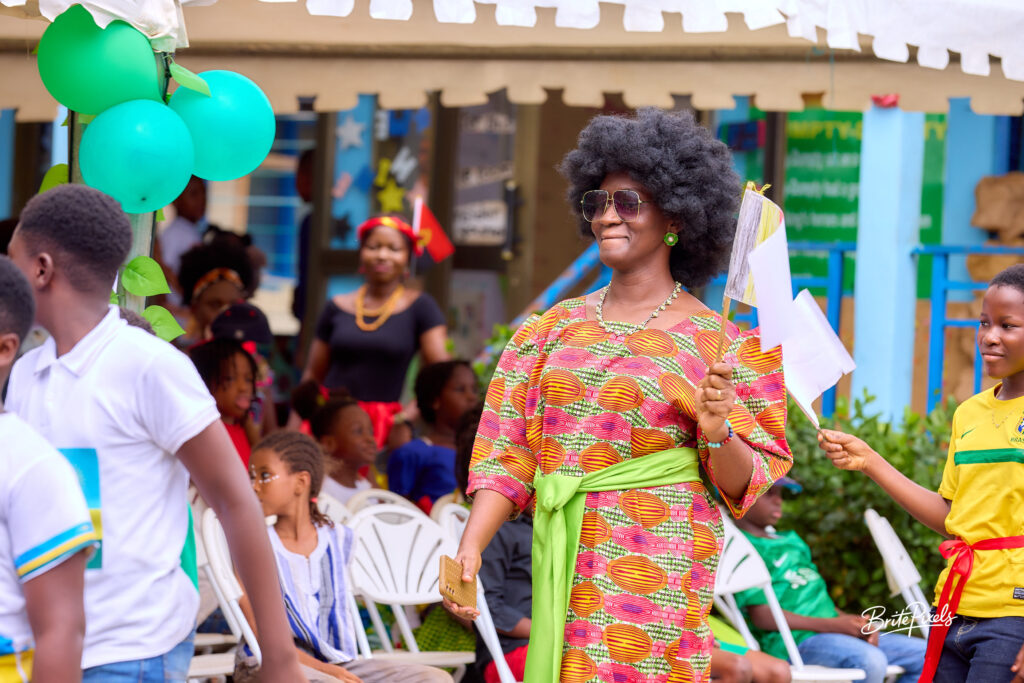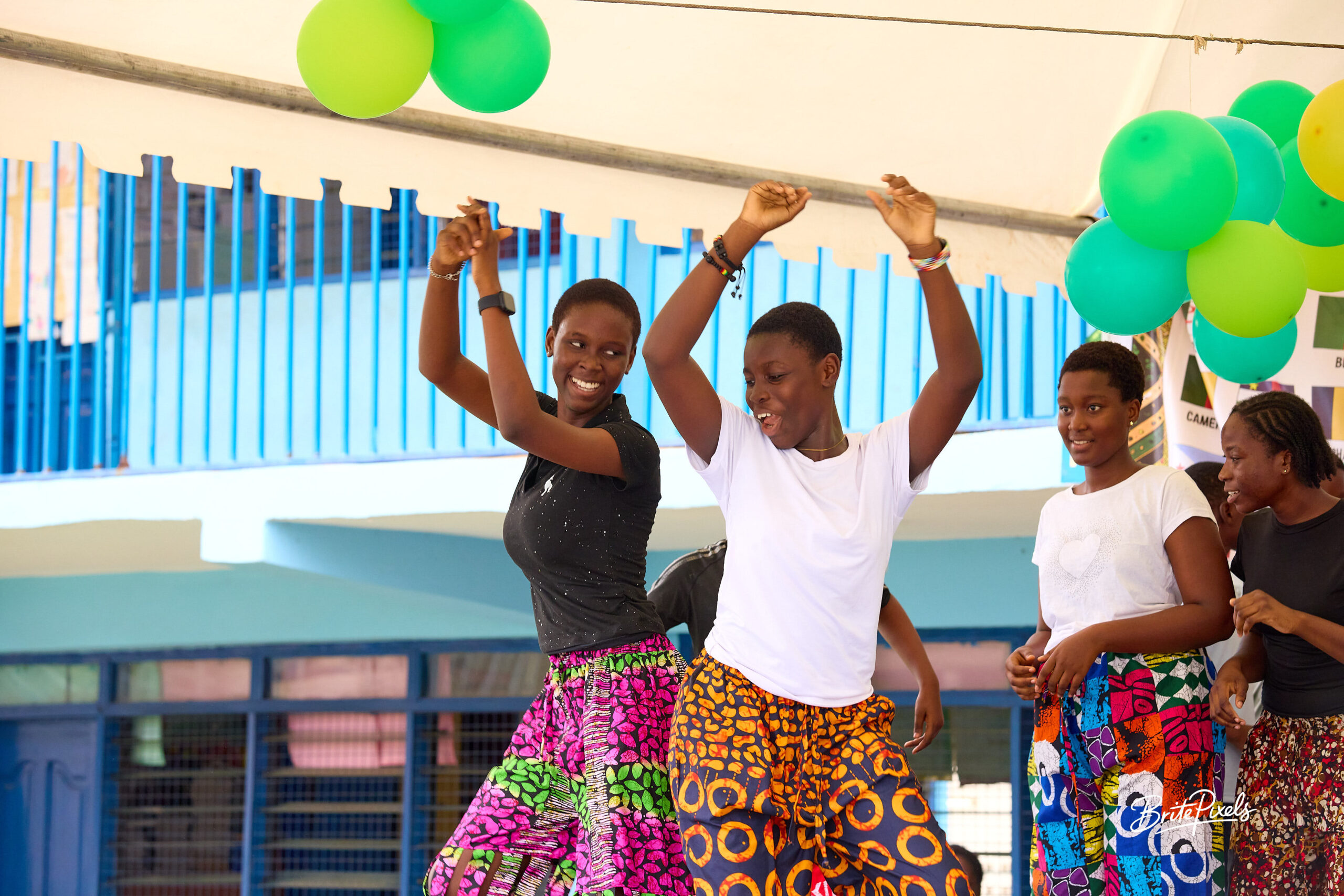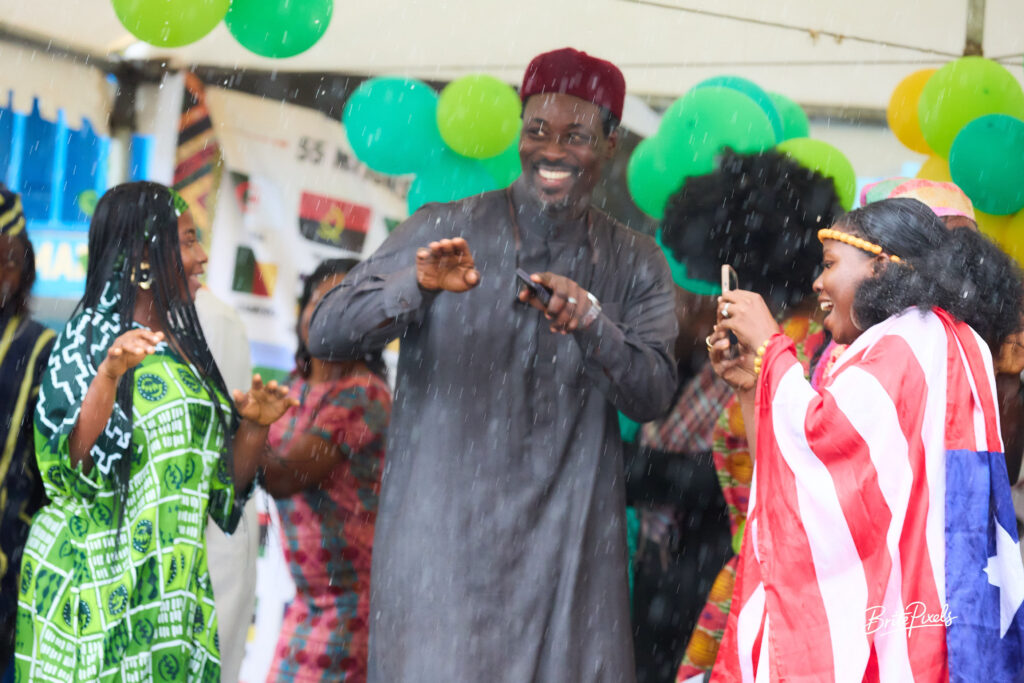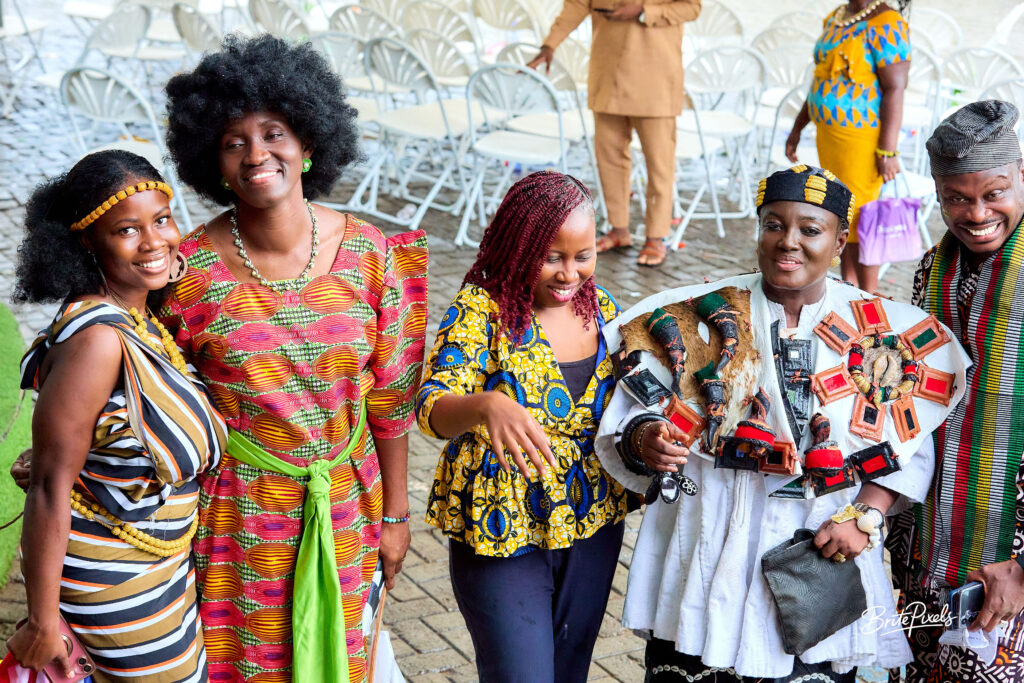



Rain could not dampen the spirit at Flobar School on Monday, May 25, 2026, as students, teachers, and parents came together to mark African Union Day in a vibrant celebration of culture, history, and sport.
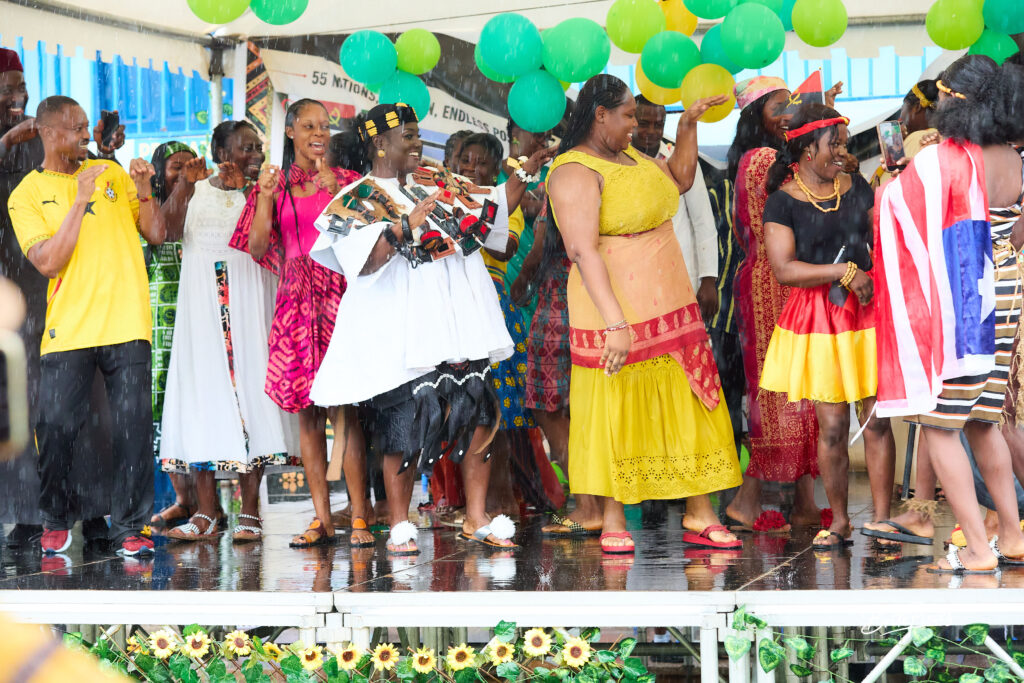
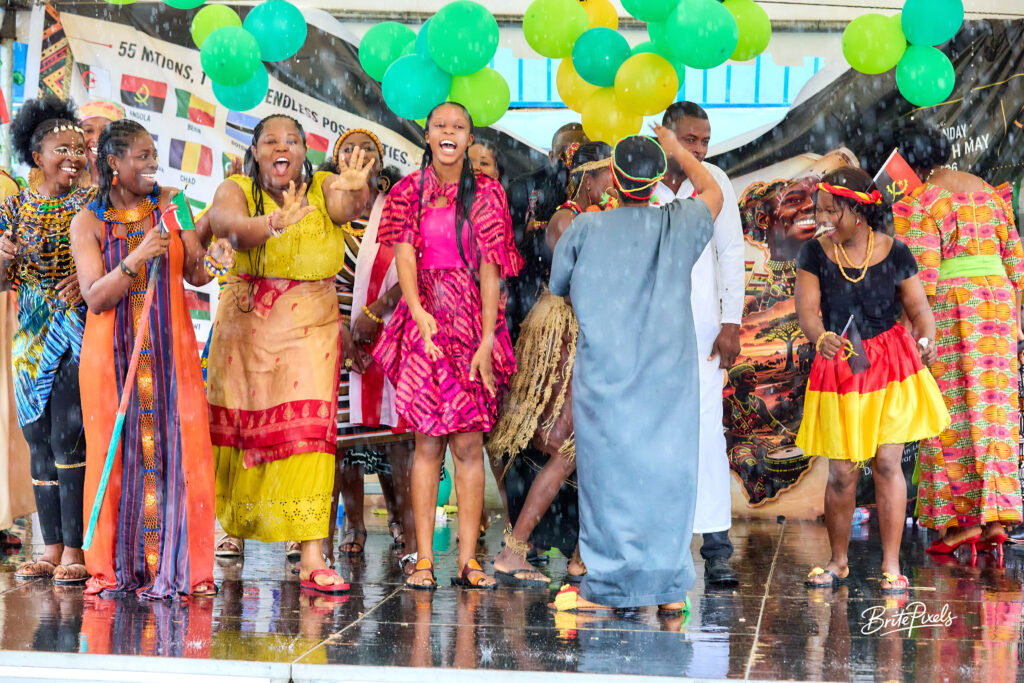
The Adenta-based school turned its grounds into a showcase of African heritage, with students performing cultural displays from different African countries. The event also featured a Taekwondo demonstration, blending discipline with the day’s theme of unity.
Despite the downpour, the energy remained high. Teachers and students dressed in attire representing various African nations, turning the celebration into a colourful tribute to the continent’s diversity.
Executive Director Sandra Addiko said the celebration was anchored on three key reasons: teaching history, fostering African pride, and aligning with AU Agenda 2063.
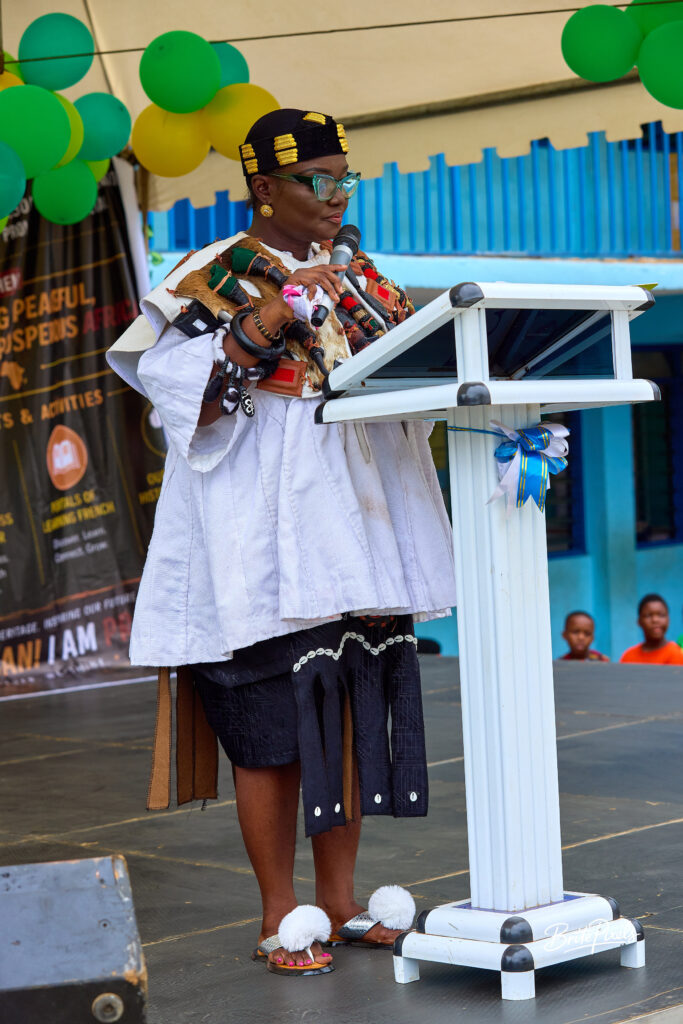
“Today is AU Day, celebrated at Flobar School to remind our children that years ago, our forefathers fought for Africa’s freedom,” Addiko said. “Today, we sit in classrooms, speak our language, and dream freely because of that sacrifice.”
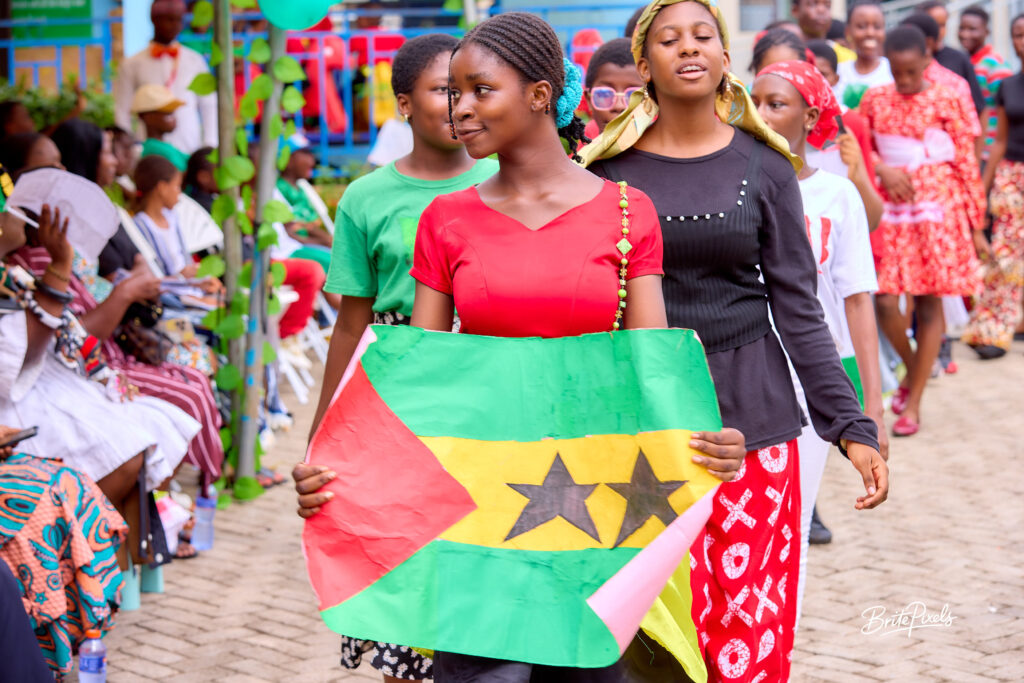
She explained that the second goal was to instill self-love and pride in being Ghanaian and African.
“The Africa we want—peaceful, united, and prosperous—will be realized by these children if we teach them to take it seriously,” she said.
The third focus was Agenda 2063, the AU’s development blueprint that puts youth at the center. Addiko stressed that students must take both academics and culture seriously to become problem-solvers for Africa and the world.
“We teach them to study hard. If they travel outside Ghana or to other African countries, they should return to solve problems here at home,” she added. “What we have taught them today will stay with them. In 20 years, I believe we will see this dream realized.”
On why Taekwondo was included, Addiko said sports are a powerful way to build unity and discipline—two values essential for Agenda 2063.
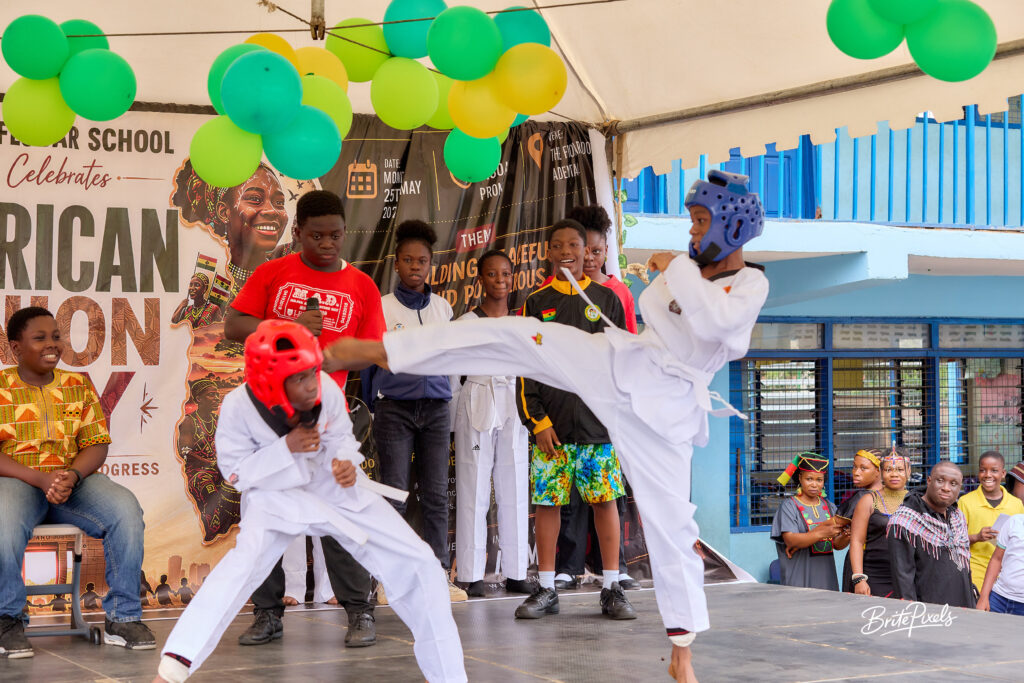
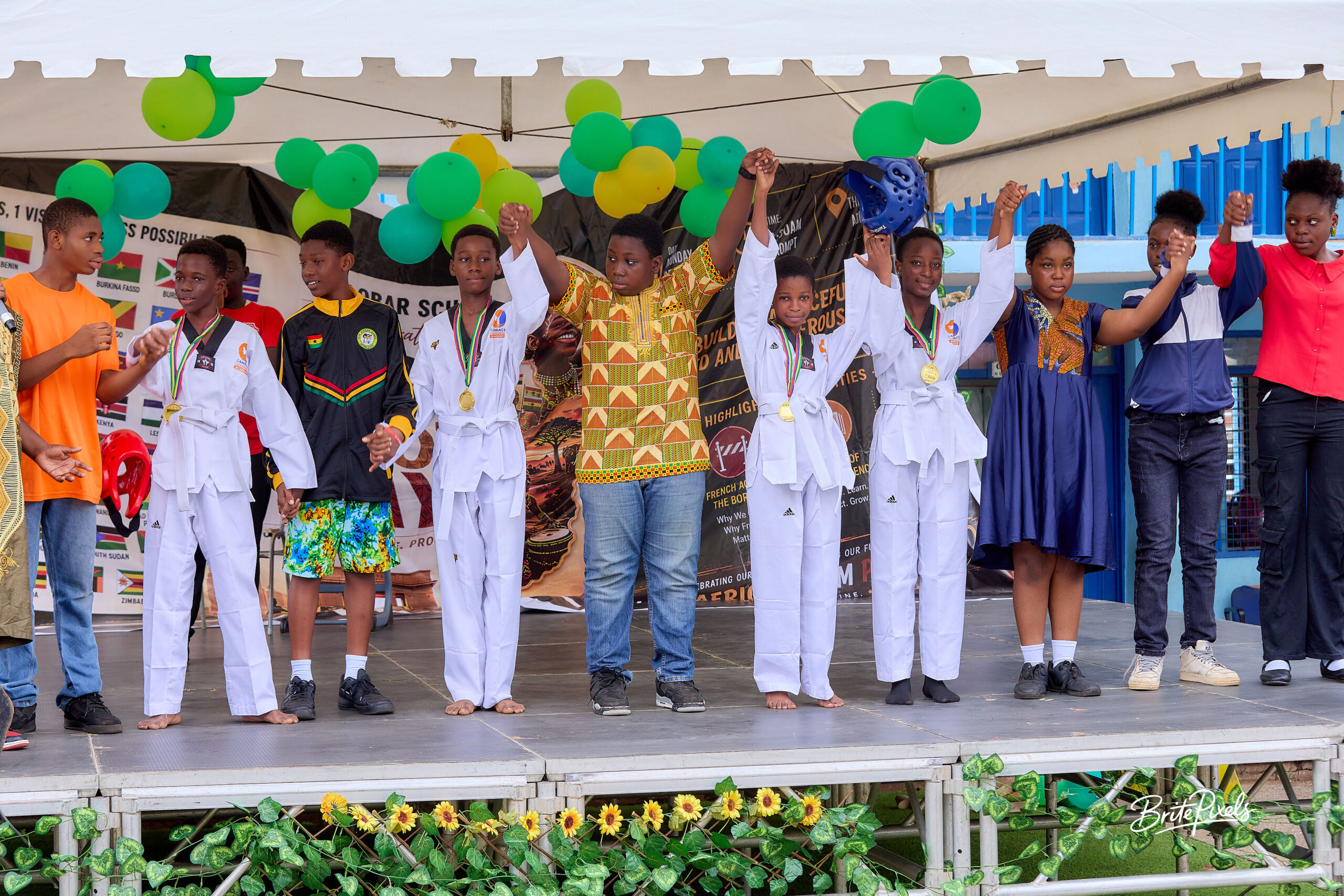
“We wanted to emphasize unity through sports. Taekwondo instills discipline, and without discipline, the agenda cannot be realized,” she said. “We were not competing; we were strengthening each other. It was to show that as Africans, we come together in sports not to compete against each other, but to be unified.”
Creative Director Maya N.A. Blay, who led the event planning, said AU Day is part of Flobar School’s curriculum to give students a lived experience of Africa’s diversity.

“We educate them in the classroom, but we also want them to witness how every country presents itself,” Blay explained. “If you noticed, every teacher represented a different African country through their attire. It’s to teach the children: in Liberia, I am Liberia.
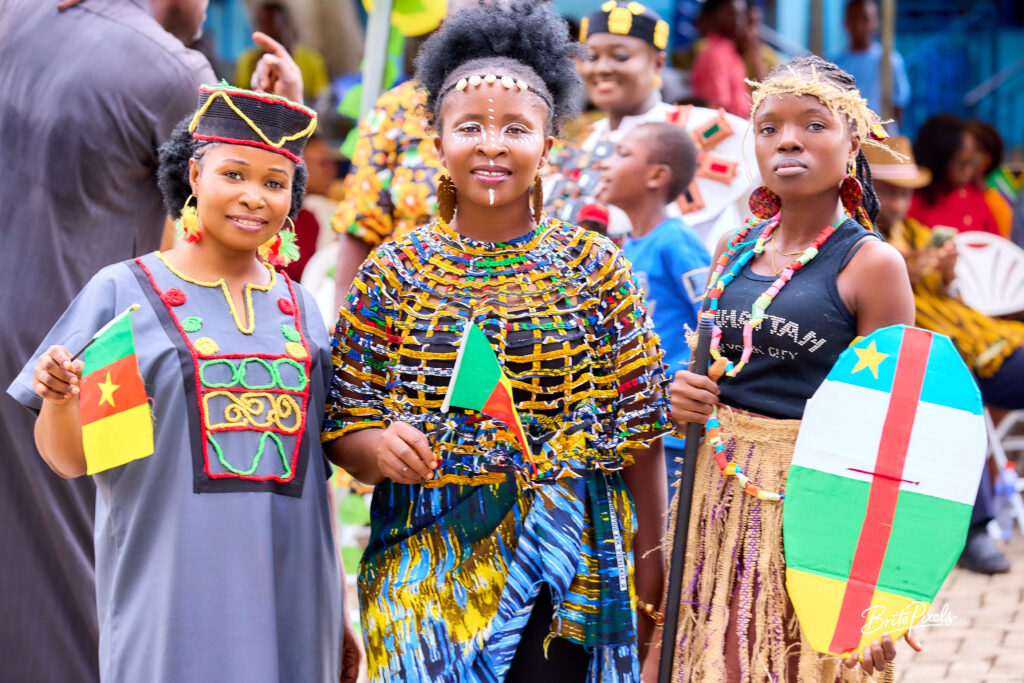
”She credited the students’ enthusiasm to the passion of the teachers and the support of parents, who helped bring the vision to life.
“When you take something seriously as a teacher, the learners naturally connect with it,” Blay said. “The energy we put into explaining what AU Day means made them conform to the spirit of the day.”
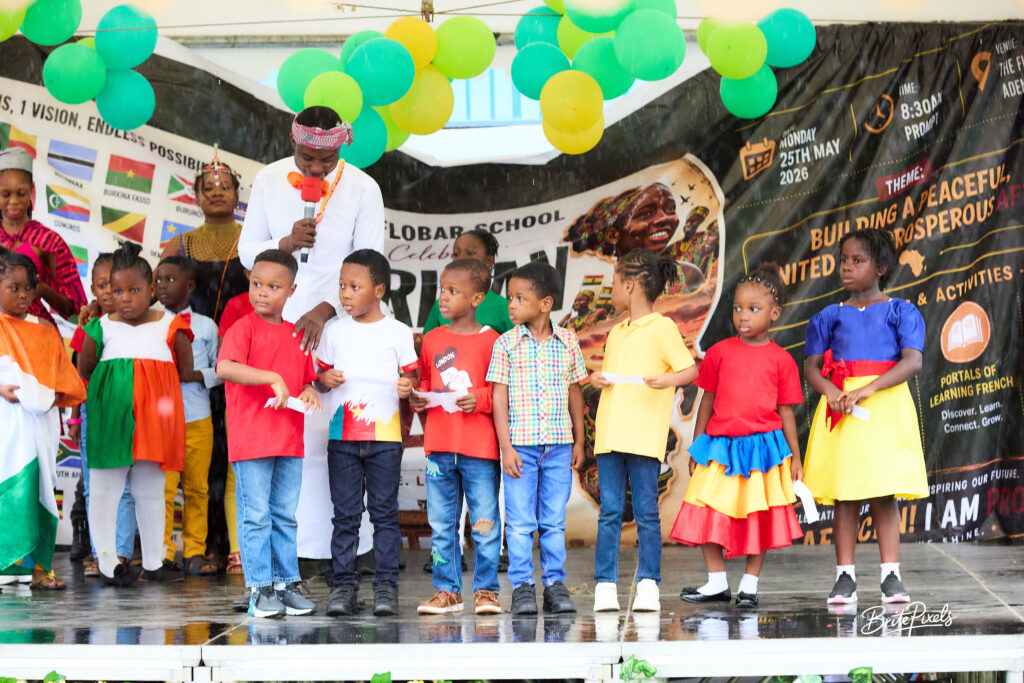
For Flobar School, the celebration was more than an event—it was a lesson in identity, unity, and the role young Africans will play in shaping the continent’s future.